
A thorough Junk Removal Raleigh, NC process involves more than taking unwanted items away. Effective removal starts with identifying what needs to go, separating materials appropriately, planning safe handling, and determining how each load should be transported or disposed of. For homeowners, landlords, property managers, and businesses, a clear process can reduce clutter without leaving behind loose debris or an unfinished work area.
The Job Begins With a Clear Scope
Every removal project starts with the condition and contents of the property. A crew needs to understand what is being removed, where the items are located, and whether access presents obstacles such as stairs, narrow hallways, gates, or limited parking.
The scope can include a single bulky item, several rooms, an outdoor accumulation, or material left after a property project. Defining the work before loading begins helps separate removable items from anything that should remain on site.
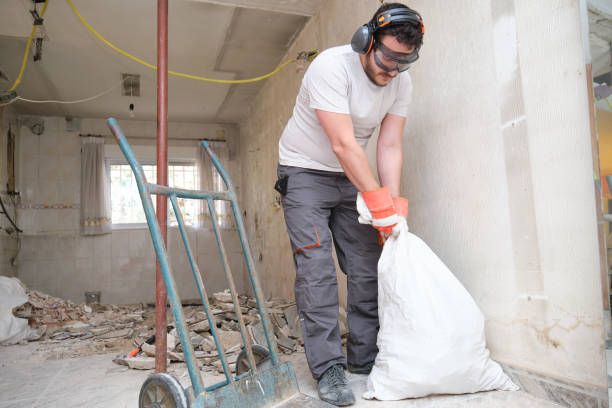
A useful initial assessment typically considers:
- The volume and type of unwanted material
- The locations of items throughout the property
- Access routes and potential handling difficulties
- Items requiring special disposal arrangements
Sorting Changes How Materials Are Handled
Not everything in a removal load follows the same disposal path. Furniture, household goods, yard debris, appliances, renovation leftovers, and general household clutter may require different handling.
For example, junk hauling in Raleigh, NC can involve separating reusable household items from damaged materials and ordinary waste before transportation. Sorting at the property can make the load more manageable and reduce the chance that unsuitable materials are mixed together.
Some items may be suitable for donation or recycling, while others belong in an appropriate waste stream. Materials that require special handling should not be treated as ordinary household trash.
Safe Removal Depends on the Property
The physical removal stage requires attention to both the items and the property itself. Large furniture can be awkward in tight spaces, while heavy materials may require coordinated lifting and controlled movement.
Crews need to consider flooring, walls, doors, stairways, landscaping, and other fixed features while carrying items out. Good planning can reduce unnecessary contact with these surfaces and keep walkways clear during loading.
Outdoor projects present different conditions. Piles may contain mixed materials, unstable stacks, or sharp pieces that require careful separation. In those situations, debris removal in Raleigh, NC may involve organizing scattered debris, checking the surrounding area, and preparing the load for transport.
Loading Is a Planned Part of the Process
Once materials have been sorted and removed from their original locations, loading becomes the next major stage. Efficient loading requires more than placing items into a vehicle in random order.
Heavier materials generally need to be positioned securely, while bulky pieces may require strategic placement to use available space effectively. Smaller items can be placed around larger pieces when appropriate, reducing unnecessary movement during transport.
Different Projects Call for Different Removal Priorities
The process changes based on the property and the reason for removal.
A home cleanout may focus on furniture, boxes, old household goods, and accumulated clutter. A move-out project may require clearing several rooms so a property can be prepared for its next occupant. A commercial property may involve office furnishings, equipment, packaging, or outdated materials.
For renovation work, construction waste hauling in Raleigh, NC can focus on clearing material generated during remodeling or repair work. This type of load may require more deliberate sorting because construction materials can differ significantly from ordinary household waste.
Responsible Disposal Comes After Collection
Removing items from a property does not end the process. The collected material still needs an appropriate destination.
Depending on the material and local requirements, suitable destinations may include recycling facilities, donation organizations, transfer stations, or other authorized disposal locations. Some items may have restrictions that make ordinary disposal unsuitable.
Responsible handling requires crews to understand what can be accepted through each disposal channel. Materials should not be described as recyclable or reusable without a reasonable basis. Potentially restricted items should receive appropriate attention rather than being mixed into a standard load.
Final Cleanup Determines Whether the Job Is Complete
After the main items have been loaded, the property should be checked for remaining loose material. Small pieces can be easy to overlook, especially when removal involves a garage, yard, basement, attic, storage area, or renovation site.
A final pass can identify leftover fragments, packaging, scattered debris, or items unintentionally left behind. The work area should also be left in a condition that makes its next use easier.
This final inspection helps distinguish thorough removal from a simple load-and-leave approach. The intended result is a cleared space with the agreed-upon materials removed and the immediate work area reasonably orderly.
What Professional Coordination Adds
For larger projects, coordination can determine how smoothly each stage proceeds. Three Brothers Hauling & Logistics can be part of that process when a property requires organized collection, loading, hauling, and disposal of unwanted materials.
Clear communication remains useful throughout the job. The property owner or manager needs to identify which materials should leave the site, while the removal team needs enough information to plan access and handling. Changes to the scope should also be addressed before additional material is removed.
Questions About Junk Removal in Raleigh
What types of items can be removed?
Removal projects commonly involve unwanted furniture, household clutter, yard material, appliances, and other non-hazardous items. Acceptance can vary by provider and material type, so restricted or potentially hazardous materials require separate confirmation.
How does the removal process start?
It generally starts with identifying the material, estimating the volume, reviewing access, and determining the intended scope of work. These details help establish how loading and transportation should be handled.
Can a removal project cover multiple areas?
Yes. A project can include several rooms, a garage, basement, attic, yard, or other designated areas. The scope should be defined clearly so the entire property does not become subject to unintended removal.
Does removal include hauling away the collected material?
A complete removal service generally includes collection, loading, transportation, and an appropriate disposal or recovery destination, subject to the provider's accepted materials and service terms.
Are all unwanted items disposed of in the same way?
No. Materials may be directed to different destinations depending on their type, condition, and applicable disposal requirements. Reusable, recyclable, and ordinary waste can follow different handling paths.
A Clear Process Leaves a Cleaner Property
Thorough removal depends on a sequence of practical decisions: define the scope, sort materials, remove items carefully, load them securely, transport them appropriately, and inspect the property afterward. That process helps Raleigh property owners manage cleanouts and accumulated unwanted material with fewer surprises.
For scheduling information, the provided contact is 919-559-2801 or [email protected]. The final service arrangement should confirm the material involved, project scope, access conditions, and any items that require special handling before work begins.